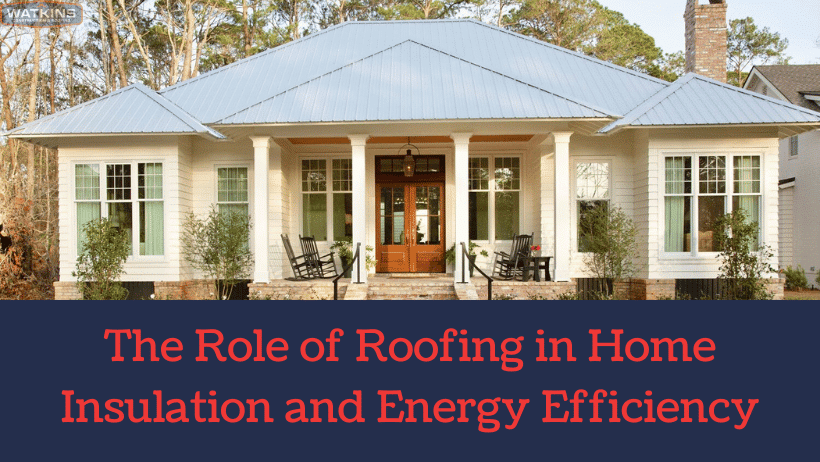
The Role of Roofing in Home Insulation and Energy Efficiency from Watkins Construction & Roofing. When it comes to your home’s comfort and energy efficiency, your roof plays a pivotal role that often goes unnoticed. Beyond providing shelter, your roofing system can significantly impact how well your home retains heat in the winter and stays cool in the summer. In this comprehensive guide, we will delve into the crucial role of roofing in home insulation and energy efficiency, and how making informed choices can lead to a more comfortable and eco-friendly living space.
Understanding the Basics: Roofing and Insulation
Before diving into the details, it’s essential to understand the fundamentals of how roofing and insulation work together to create a well-insulated home:
- Roofing Materials:
Different roofing materials possess varying levels of insulation properties. For instance:
Asphalt Shingles: Commonly used in residential roofing, asphalt shingles offer minimal insulation and may require supplementary materials to enhance energy efficiency.
Metal Roofing: Metal roofing, such as steel or aluminum, can be excellent for reflecting sunlight and reducing heat absorption, resulting in better energy efficiency.
Clay or Concrete Tiles: These dense roofing materials provide natural insulation due to their thickness and density, helping maintain a consistent indoor temperature.
Wood Shingles or Shakes: Wood roofing materials offer moderate insulation due to their natural composition.
Slate Roofing: Slate is a dense and durable roofing material known for its excellent insulation properties, helping regulate indoor temperatures effectively.
- Types of Roof Insulation:
Proper insulation beneath the roofing materials is essential for maintaining energy efficiency and a comfortable indoor environment. Common types of roof insulation include:
Fiberglass Insulation: Fiberglass batts or rolls are cost-effective and relatively easy to install. They provide good thermal resistance when installed correctly.
Spray Foam Insulation: Spray foam insulation forms a seamless, airtight barrier when applied to the underside of the roof deck, offering superior thermal performance.
Cellulose Insulation: Made from recycled paper or cardboard, cellulose insulation is eco-friendly and provides good thermal resistance when correctly installed.
Rigid Board Insulation: Rigid board insulation, made from materials like polyisocyanurate or extruded polystyrene, offers excellent thermal resistance and is suitable for various roof types.
- Roof Ventilation:
Roof ventilation plays a critical role in maintaining an energy-efficient and healthy home. Proper ventilation helps regulate attic temperatures, reducing heat buildup and preventing moisture-related problems like mold and rot. Key elements of roof ventilation include:
Ridge and Soffit Ventilation: The combination of ridge vents at the roof’s peak and soffit vents at the eaves promotes natural air circulation, expelling excess heat and moisture from the attic.
Attic Fans: Attic fans can enhance ventilation by actively removing hot air from the attic space. They are particularly useful in regions with high temperatures and humidity levels.
- Cool Roofing Options:
Cool roofing materials are designed to reflect more sunlight and absorb less heat than standard roofing materials. These options can significantly improve energy efficiency by reducing the heat transferred to your home. Examples include:
Cool Roof Coatings: Applying reflective coatings to existing roofing materials can transform them into cool roofs, effectively reflecting a significant portion of solar heat.
Cool Roof Shingles: Some manufacturers offer cool roofing shingles that incorporate reflective granules to reduce heat absorption. These shingles come in various colors and styles.
Maximizing Energy Efficiency: Key Considerations
Now that we’ve covered the basics let’s explore key considerations to maximize your home’s energy efficiency through roofing and insulation:
- Choose Energy-Efficient Roofing Materials:
Select roofing materials with good insulation properties and energy-efficient characteristics. If you’re considering an upgrade, consult with a roofing professional to explore options that suit your climate and energy efficiency goals.
- Invest in Quality Insulation:
Quality insulation is essential for maintaining energy efficiency. Ensure your insulation is correctly installed and meets or exceeds local building codes and energy-efficiency standards.
- Prioritize Proper Ventilation:
Proper roof ventilation helps prevent heat buildup, moisture-related issues, and damage to roofing materials. Regularly inspect and maintain your ventilation system to ensure it functions optimally.
- Consider Cool Roofing Options:
If you’re in the market for a new roof, consider cool roofing materials or coatings. They can significantly reduce the amount of heat absorbed by your home, leading to lower cooling costs and enhanced comfort.
- Regular Maintenance and Inspections:
Roof maintenance is crucial for preserving insulation and energy efficiency. Address issues such as damaged shingles, flashing, or insulation promptly to prevent heat loss, air leaks, and moisture infiltration.
- Consult with Professionals:
When in doubt, consult with roofing and insulation professionals. They can assess your specific needs, provide expert guidance, and ensure that your roofing and insulation systems are optimized for energy efficiency.
Conclusion:
Your roofing and insulation systems are more than just protective layers; they are key components of your home’s energy efficiency and comfort. By making informed choices regarding roofing materials, insulation, ventilation, and maintenance, you can create a more sustainable, comfortable, and energy-efficient living environment while reducing your energy bills.
Watkins Construction & Roofing can provide you with the help you need. You can get in touch with us by calling us at 251-299-8151. We service areas in Gulf Shores, Spanish Fort, Foley, Fairhope, Robertsdale, and Orange Beach, AL.
